When it comes to returning to China for employment, it’s essential to address the differences between the animation aesthetics widely accepted in China and those prevalent in the West. The key question is how I can leverage the skills I acquired at UAL’s MA Character Animation program—particularly in realistic character animation and European storytelling—and how I can adapt these strengths to establish myself within China’s animation industry.
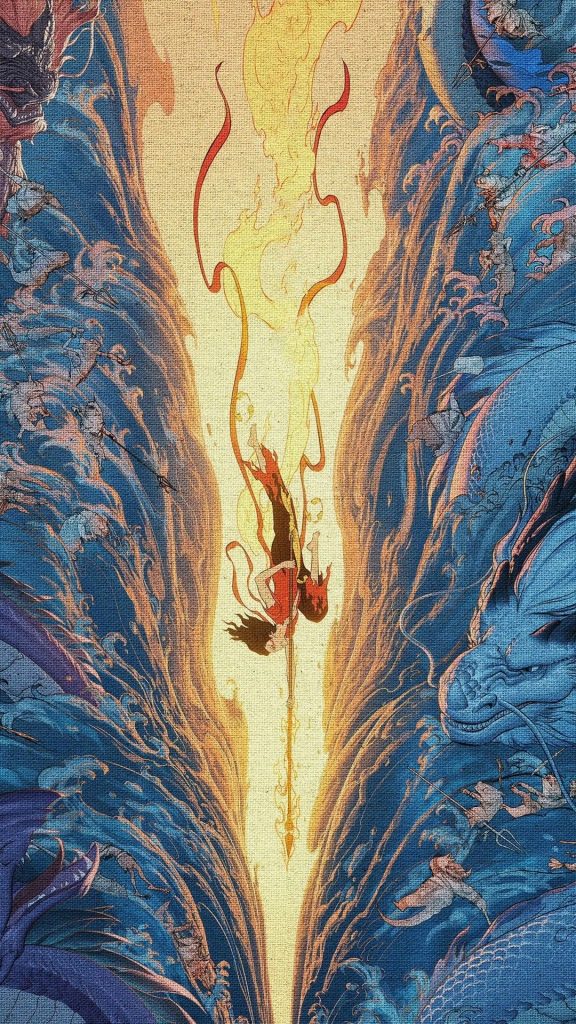


Discussing mainstream commercial animation in China, works like Nezha, Big Fish & Begonia, or the six stylistically distinct interlude animations in the video game Black Myth: Wukong leave a lasting impression. These productions exhibit a blend of influences—the exaggerated designs and rendering styles reminiscent of Pixar’s Western animation, the delicate and vibrant aesthetics characteristic of Studio Ghibli’s Japanese animation, and the diverse yet segmented storytelling approach seen in works influenced by France’s Gobelins animation school.
What makes these outstanding Chinese animations remarkable is not mere imitation, but rather their synthesis of overseas animation techniques and styles with the essence of traditional Chinese painting art. This fusion has given rise to a uniquely “Chinese animation identity”—one that carries both Chinese cultural depth and the expressive power of global animation. Such multicultural integration has become increasingly prevalent in China’s animation industry in recent years.
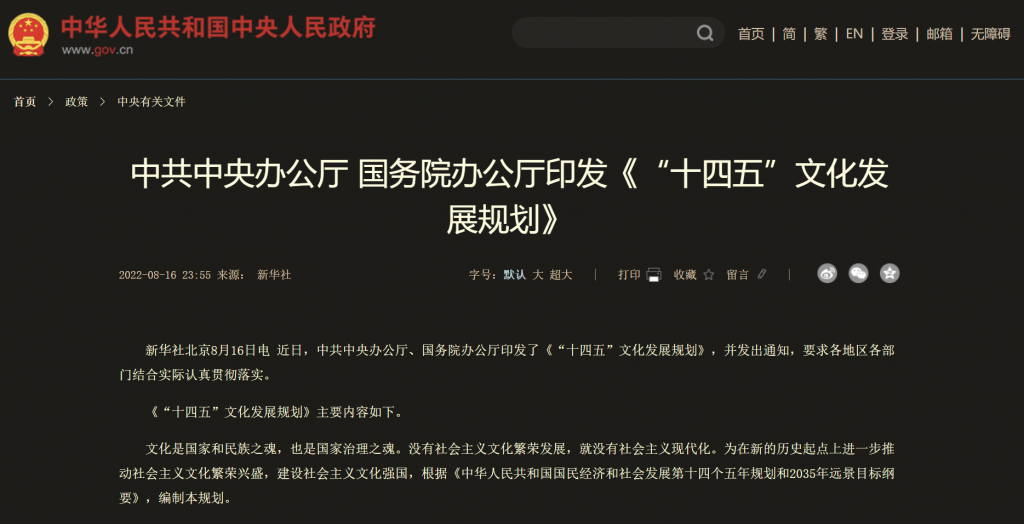
One driving factor behind this phenomenon is the return of Chinese animators who studied abroad, bringing back their technical expertise to the domestic industry. This trend is not entirely organic; it is actively supported by the Chinese government. The 14th Five-Year Plan for Cultural Industries Development (2022) explicitly promotes the growth of digital creative industries (including animation and gaming) and encourages overseas high-end talent to return for entrepreneurship and employment.
On a practical level, regional talent recruitment policies—particularly in animation hubs like Shanghai, Hangzhou, and Chengdu—offer subsidies, tax incentives, and other benefits to attract professionals in animation, VFX, and related fields. Against the backdrop of China’s industrial transformation and upgrading, this wave of development continues to intensify. I believe the industry is still in its golden age of growth.
My training in nuanced, performance-driven animation and narrative depth gives me a unique edge, but success in China’s market will require balancing these Western influences with local preferences. Rather than treating them as opposing forces, I see an opportunity to bridge the gap—applying sophisticated animation principles to content that resonates with Chinese audiences. The growing sophistication of China’s animation sector suggests increasing appetite for the kind of character-driven storytelling I specialize in, particularly in high-end feature animation and international co-productions.
My positioning strategy involves: 1) Highlighting my cross-cultural animation literacy in portfolio presentations; 2) Targeting studios working on ambitious narrative projects; 3) Developing visual development samples that demonstrate how Western animation techniques can enhance Chinese-themed content. This approach allows me to stand out as a specialist who brings international-grade character animation skills to domestic productions.