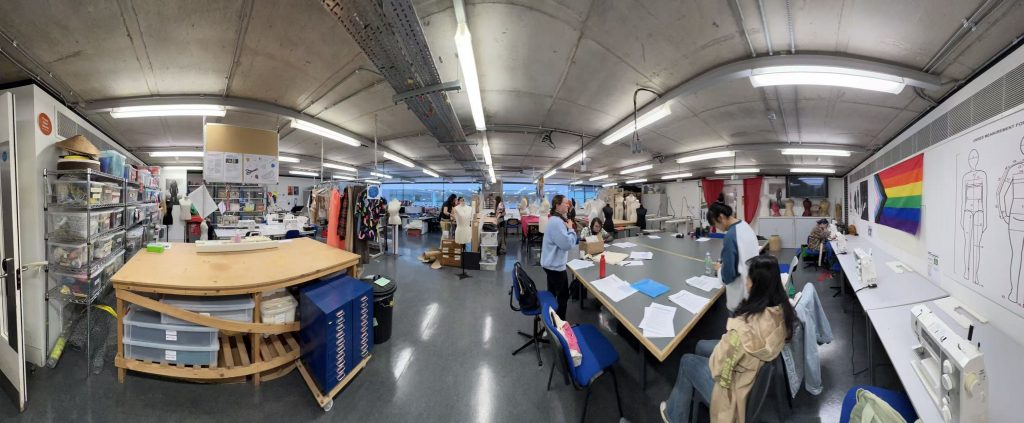
After nearly two years of studying Character Animation at UAL, my master’s program is coming to an end. To be honest, I still feel somewhat uncertain—and even anxious—about my post-graduation plans.
However, overall, I am more inclined to return to China and work in the animation industry. With this in mind, I began to reflect on the skills I have acquired during my studies while also gaining a clearer understanding of my own positioning and the UK’s local animation industry.
Gradually, I explored and gained preliminary insights into the current demand for animation-related roles in China and how it intersects with my existing skill set.
During my studies, I focused primarily on traditional 2D animation. To be honest, it made me uneasy to realize that this specialization doesn’t align well with the current demand for animation talent in China. At present, the industry’s recruitment priorities lean toward areas such as anime-style rigging, UE5 real-time animation, and short-video motion graphics. It’s clear that technical artists are highly sought-after in today’s market, largely due to the rapid growth of various streaming platforms in China in recent years.
Fortunately, these in-demand skills don’t conflict with my existing animation expertise. After consulting several industry veterans working in China, I was relieved to learn that there are numerous—even overwhelming—ways to acquire these skills. While free online tutorials are widely available, the veterans emphasized that the most efficient way to master them is through on-the-job training. This is because each studio follows its own workflow, with varying software and practices. Most companies provide training for new hires based on their specific pipelines.
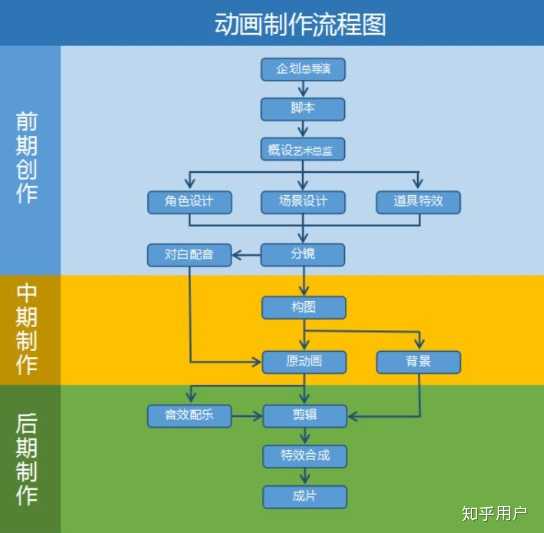
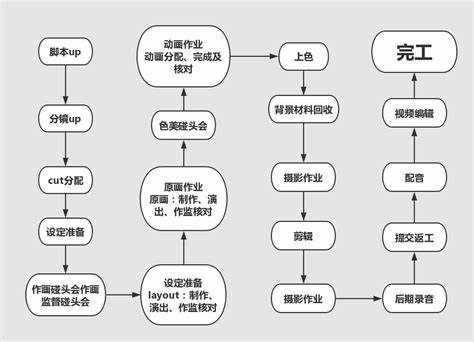
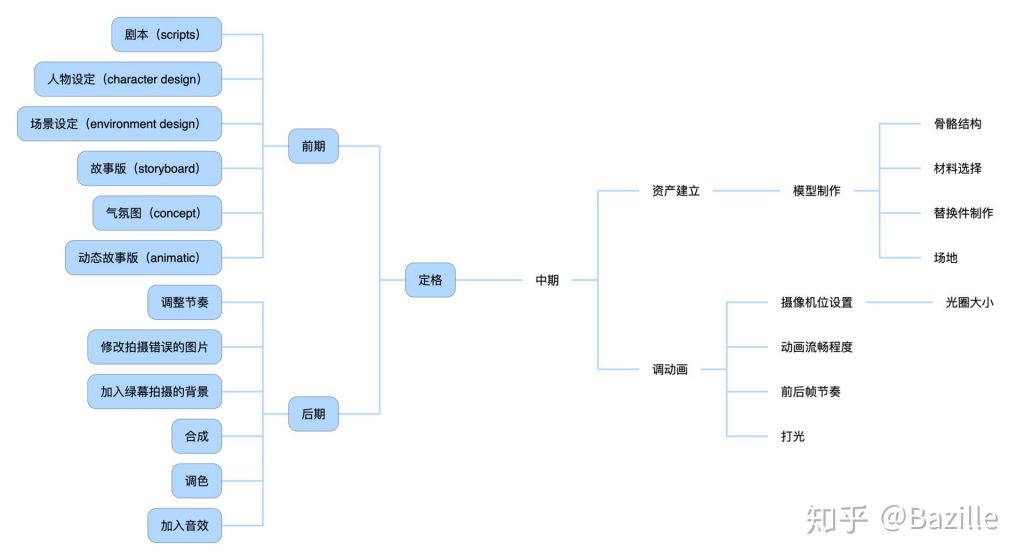
As a result, the veterans advised me not to spend excessive time honing technical art skills before returning to China, as employers will train me accordingly after hiring. Instead, they stressed that my current priority should be developing a distinctive personal style and showcasing the unique strengths of my artistic vision in my portfolio.
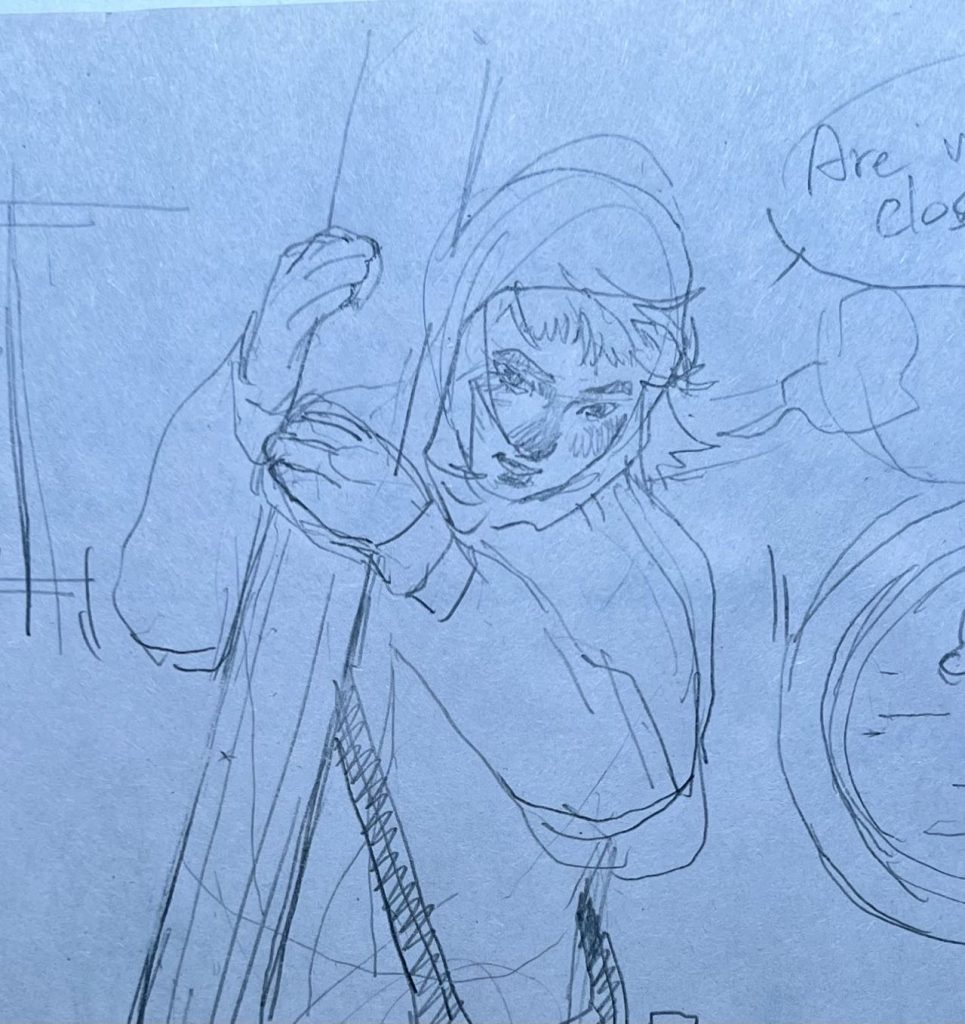
My advantage in China isn’t technical skills, but rather the deeper understanding of Western animation production and its cultural context gained from studying in London. This enables me to better integrate multicultural elements into creative work for innovation, and to tell Chinese stories using more globalized storytelling approaches compared to domestic-trained professionals.